
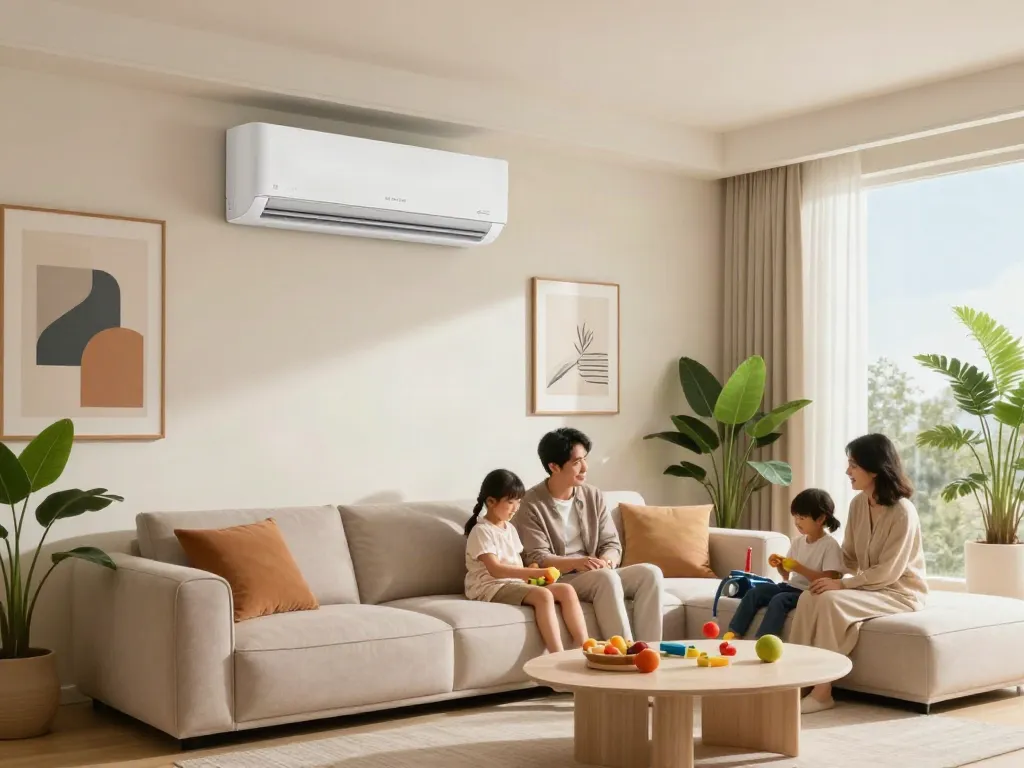
Understanding Ductless AC Systems
Ductless air conditioning systems, commonly known as ductless ac, offer a versatile and efficient solution for cooling and heating spaces without the need for traditional ductwork. These systems have gained popularity due to their flexibility and efficiency, making them a preferred choice for many homeowners and businesses. Understanding the various components and benefits of ductless AC systems can help you determine if it is the right solution for your climate control needs.
What is a Ductless AC?
A ductless air conditioning system, as the name suggests, operates independently of ductwork. Unlike conventional central air conditioning systems that use ducts to distribute cooled air, ductless AC systems consist of two main components: an outdoor unit and one or more indoor units. The outdoor unit houses the compressor and condenser, while the indoor unit is where the cooled air is distributed within a room or space. This makes them particularly useful for homes without existing duct systems, additions, or spaces that require zoning for temperature control.
How Ductless AC Works
Ductless AC systems work through a refrigerant cycle. The outdoor unit draws in warm air from the surroundings, releasing it after extracting heat through a refrigeration process. The cool refrigerant is then circulated to the indoor unit, where it absorbs heat from the indoor air. As the indoor unit blows air across the evaporator coil filled with this cool refrigerant, the air is cooled and circulated back into the room, providing effective climate control.
Benefits of Using Ductless AC
- Energy Efficiency: Ductless systems are known for their high energy efficiency ratings, often significantly outperforming traditional AC systems. Many models feature inverter technology, which allows them to adjust the compressor speed based on the cooling demand, reducing energy consumption.
- Cost-Effective: By eliminating the need for ductwork, installation costs can be lower, especially in homes that lack pre-existing ducts. Additionally, the energy savings can translate to lower utility bills over time.
- Zoning Capability: With the ability to install multiple indoor units connected to a single outdoor unit, ductless systems allow for individualized temperature control in different rooms, catering to personal comfort preferences.
- Improved Air Quality: Ductless systems use filters that can be easily cleaned or replaced, helping to maintain better indoor air quality by reducing allergens and pollutants.
Installation Insights for Ductless AC
Key Considerations Before Installation
Before proceeding with the installation of a ductless AC system, it's essential to evaluate several key factors. Consider the size of the space, the required cooling capacity, and the layout of the rooms to determine how many indoor units you may need. A professional assessment can help ensure that your system is appropriately sized to avoid issues related to undersized or oversized units.
DIY vs. Professional Installation
While some homeowners may opt for a DIY installation to save costs, ductless systems typically require specialized knowledge and tools. Professional installation ensures proper placement of both indoor and outdoor units, optimal refrigerant levels, and adherence to local building codes. Moreover, many manufacturers provide warranty coverage only if the system is installed by trained technicians.
Common Installation Mistakes to Avoid
- Improper Sizing: Choosing an improperly sized unit can lead to inadequate cooling or heating and reduced efficiency. Always conduct a load calculation before installation.
- Poor Placement: Positioning indoor units too high or too low can affect airflow. Installation should ensure that air can circulate freely and reach all corners of the room.
- Neglecting Insulation: Failing to properly insulate the refrigerant lines connecting the indoor and outdoor units can lead to energy loss and inefficiency.
Comparing Ductless AC with Traditional Systems
Cost Analysis of Ductless AC vs. Ducted Systems
When comparing ductless AC systems to traditional ducted systems, the upfront costs may vary. Ducted systems often require significant installation expenses due to the need for ductwork, which can be time-intensive and laborious. In contrast, ductless systems typically have lower installation costs, especially in homes without existing ducts. Long-term operational costs also favor ductless systems due to their energy efficiency. Homeowners should evaluate both initial and ongoing costs when deciding on the best system for their needs.
Energy Efficiency Comparisons
Ductless AC units frequently outperform traditional AC systems in terms of energy efficiency. Many ductless models feature SEER (Seasonal Energy Efficiency Ratio) ratings well above 20, while traditional systems often struggle to reach 15 SEER. The inverter technology commonly found in ductless systems adjusts cooling output to match demand, reducing energy wastage and leading to lower energy bills.
Space Requirements for Installation
One of the significant advantages of ductless AC systems is their minimal space requirements. Traditional systems require substantial space for ducts, often needing significant modifications during installation. Ductless systems require only a small three-inch hole for connecting the indoor and outdoor units, making them more adaptable to various spaces, including renovations, retrofits, and smaller buildings.
Maintenance Best Practices for Ductless AC
Regular Cleaning and Upkeep Tips
Maintaining your ductless AC system is crucial for ensuring longevity and optimal performance. Regularly clean or replace filters every few months, and ensure the outdoor unit is free from dirt and debris. Maintaining clean coils and clearing the drainage lines can prevent clogs and improve efficiency. Schedule professional maintenance at least once a year to inspect refrigerant levels and overall system integrity.
Signs Your Ductless AC Needs Service
Be attentive to signs that indicate your ductless AC may require servicing. Unusual noises, diminished airflow, or fluctuating temperatures are all signs that the system may need professional attention. If you notice an increase in energy bills without changes in usage, it may indicate inefficiency that requires investigation. Additionally, if there is any leakage around the indoor unit or refrigerant lines, seek professional help immediately.
Seasonal Preparation for Optimal Performance
Preparing your ductless AC system for seasonal changes is vital. Before summer arrives, ensure the outdoor unit is clean and free from obstructions. In winter, consider protecting the outdoor unit from ice and snow buildup. Regular check-ups before peak seasons can help detect potential issues and ensure the system operates efficiently when needed the most.
Future Trends in Ductless AC Technology
Innovations on the Horizon for 2026
The ductless AC industry is continually evolving, with innovative technologies emerging each year. Future advancements are expected to include more energy-efficient models with even higher SEER ratings, enhanced smart home integration, and advanced filtration systems that can improve indoor air quality. These innovations will likely focus on sustainability, aiming to further reduce the environmental impact of cooling solutions.
Smart Tech Integration in Ductless ACs
Smart home technology integration is becoming increasingly prevalent in ductless AC systems. Many new models now feature WiFi capabilities, allowing for remote control and monitoring through smartphone apps. This feature not only adds convenience but also helps users track energy usage and optimize settings for different times of day, enhancing both comfort and efficiency.
Environmental Impact and Sustainability Initiatives
As concerns about climate change intensify, the HVAC industry, including ductless AC manufacturers, is focusing on sustainability initiatives. Many companies are investing in greener refrigerants with lower global warming potential and implementing energy-efficient manufacturing processes. These strides are geared towards minimizing the environmental footprint of cooling solutions while maintaining high performance.
What is the Lifespan of a Ductless AC?
The average lifespan of a ductless AC system can range from 15 to 20 years, depending on factors such as model quality, maintenance, and usage patterns. Proper care can significantly extend the service life, while neglect can lead to decreased performance and a shorter lifespan. Regular maintenance is essential to keep the system running at peak condition for as long as possible.
Can Ductless AC Reduce Energy Bills?
Yes, ductless AC systems can lead to reduced energy bills. Due to their higher energy efficiency compared to traditional systems, they consume significantly less energy while providing equivalent cooling or heating. Moreover, the zoning capabilities allow users to cool or heat only the occupied spaces, further reducing unnecessary energy consumption.
How to Choose the Right Ductless AC for Your Home?
Selecting the right ductless AC system involves assessing several factors including the size of the space, cooling requirements, and specific features like heating capability or smart technology. Consult a professional to conduct a load calculation and help you choose a system that best fits your needs, ensuring optimal performance and comfort.
Is Ductless AC Noisy?
Ductless AC systems are generally quieter than traditional systems. The indoor units are designed to operate at low noise levels, typically between 20-40 dB, making them suitable for bedrooms and living areas. However, outdoor units may produce more noise, especially during peak operation, but advancements in technology are consistently reducing these sound levels.
What Size Ductless AC Do I Need?
To determine the appropriate size for your ductless AC system, consider the area you need to cool or heat, measured in square feet. It's essential to calculate the BTU (British Thermal Units) required based on factors such as insulation quality, ceiling height, and the number of windows. An HVAC professional can assist with an accurate assessment and selection of the right unit for your space.
Are Ductless AC Systems Efficient for Heating?
Many ductless AC systems come with heating capabilities, making them highly efficient for year-round climate control. These systems can provide effective heating even in low temperatures, often utilizing heat pump technology that extracts heat from the outside air. This efficiency can significantly reduce heating costs compared to traditional electric or gas heating systems.