
Understanding CPAP Therapy
Continuous Positive Airway Pressure (CPAP) therapy is a cornerstone treatment for individuals diagnosed with obstructive sleep apnea, a condition that affects millions globally. It works by delivering a steady stream of air through a CPAP machine, which keeps the airway open during sleep. This therapy not only improves sleep quality but can also lead to significant health benefits, including reduced risks of heart disease, stroke, and daytime fatigue. As you explore different options, cpap companies provide comprehensive insights into models, features, and advancements tailored to your needs.
What Are CPAP Machines?
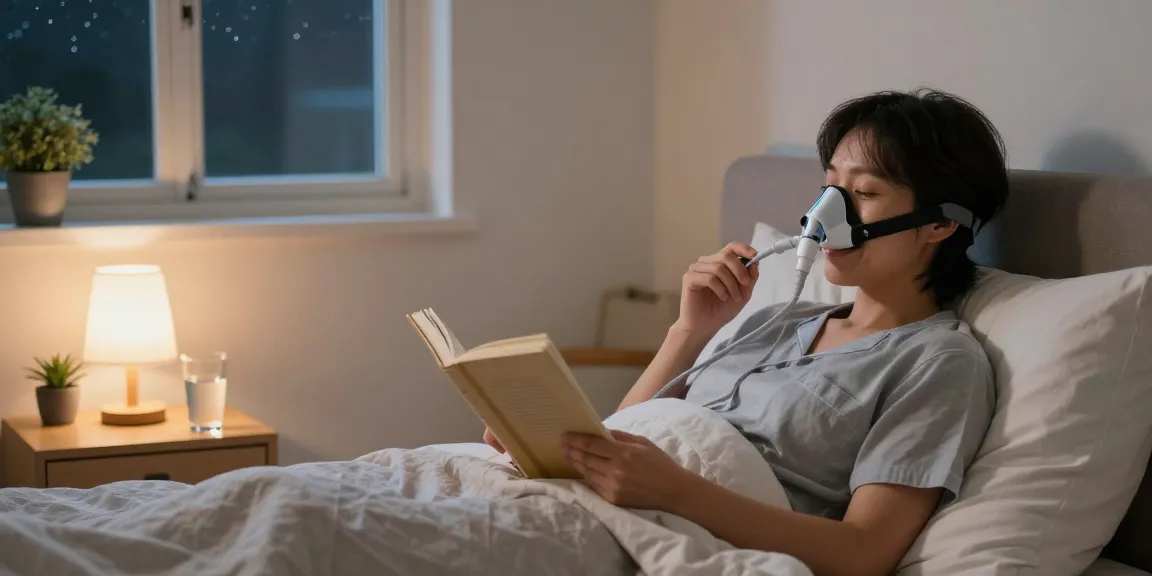
CPAP machines are medical devices designed to treat sleep apnea. They consist of three main components: the machine itself, a mask worn over the nose and mouth, and a flexible tube that connects these two parts. When you breathe in, the CPAP machine delivers a gentle airflow, preventing your throat from collapsing and obstructing your airway. There are various types of CPAP machines, including standard CPAP, auto-adjusting CPAP, and BiPAP machines, which offer different pressure levels for inhalation and exhalation.
How CPAP Therapy Works for Sleep Apnea
CPAP therapy works by maintaining positive air pressure in the airways, ensuring they remain open during sleep. This is crucial for individuals with obstructive sleep apnea, who experience repeated episodes of airway collapse. When the CPAP machine is activated, it continuously pushes air into the airway, counteracting any potential blockages. Patients typically begin feeling the positive effects of CPAP therapy within a few nights, with improvements in sleep quality and reduction in daytime drowsiness becoming noticeable shortly thereafter.
Benefits of Using CPAP Machines
- Improved Sleep Quality: Regular use of CPAP machines significantly reduces interruptions during sleep, allowing for deeper, more restorative sleep.
- Increased Energy Levels: Users often report enhanced daytime alertness and reduced fatigue, leading to improved performance in daily activities.
- Lower Health Risks: Effective CPAP therapy can lead to reduced blood pressure and lower risks of cardiovascular diseases associated with sleep apnea.
- Enhanced Mood and Cognitive Function: Adequate sleep improves mood stability, memory, and overall cognitive function, which can be especially beneficial for those with sleep apnea.
Top CPAP Companies in 2026
The CPAP market has seen significant advancements in technology, with various companies leading the way in providing innovative solutions for sleep apnea. These companies not only enhance machine functionality but also improve user experience through comfortable designs and advanced features. With the growing awareness of sleep apnea, these top CPAP companies are evolving to meet the demands of a diverse clientele.
Leading Brands and Their Innovations
Some of the leading CPAP companies in 2026 include ResMed, Philips Respironics, and Fisher & Paykel Healthcare. Each brand offers unique innovations:
- ResMed: Known for its advanced auto-adjusting CPAP systems and integrated digital health technologies that assist in therapy management.
- Philips Respironics: Pioneers in silent operation technology, making their devices some of the quietest on the market.
- Fisher & Paykel Healthcare: Focuses on comfort, introducing soft, streamlined masks that enhance user acceptance and compliance.
Comparing Features: What to Look For
When choosing a CPAP machine, consider the following features:
- Humidification: Integrated humidifiers help prevent dryness and discomfort during therapy.
- Pressure Settings: Machines with auto-adjusting settings can adapt pressure levels based on your breathing patterns for optimal comfort.
- Noise Level: A quiet machine can significantly enhance your sleep environment.
- Data Tracking: Some devices offer connectivity to mobile apps, allowing you to track your usage and receive feedback on therapy effectiveness.
Consumer Reviews and Feedback on Major Brands
Consumer feedback plays a critical role in identifying the best CPAP machines. Users commonly highlight comfort, usability, and the effectiveness of therapy in their reviews. ResMed often receives high marks for its user-friendly interface and comfort, while Philips Respironics is praised for its quiet operation. Fisher & Paykel's mask designs are frequently noted for their comfort, particularly among patients who struggle with traditional mask styles.
Choosing the Right CPAP Machine
Selecting the correct CPAP machine is crucial for effective therapy. Various factors can impact your choice, including comfort, ease of use, and specific medical needs. Each individual's experience with sleep apnea is unique, making it essential to find a machine that aligns with personal comfort and therapy requirements.
Factors to Consider When Selecting a CPAP Machine
- Mask Fit: A proper mask fit is vital. Masks come in different styles (nasal, full-face, or nasal pillow), so it’s important to choose one that suits your sleeping habits.
- Machine Size and Portability: Consider the dimensions of the CPAP machine if you travel frequently; compact and lightweight options are preferable.
- Integration of Technology: Look for machines that offer features like Bluetooth connectivity and app support for easy tracking of therapy data.
Customizing Your CPAP Therapy Settings
Once you have selected a CPAP machine, customizing the settings for optimal use is essential. This may include adjusting the pressure settings to meet your comfort and therapy requirements. Many modern CPAP machines come with an auto-titrating feature that automatically adjusts pressure based on your breathing patterns, which can enhance overall therapy effectiveness.
Common Misconceptions About CPAP Machines
There are several misconceptions surrounding CPAP machines that may deter individuals from pursuing therapy:
- CPAP is uncomfortable: While some users may initially feel discomfort, many find that with the right mask and adjustments, CPAP therapy becomes quite manageable.
- Only heavy snorers need CPAP: Sleep apnea can affect individuals regardless of weight; it’s essential to consult a healthcare professional for a proper diagnosis.
- CPAP therapy is a lifelong commitment: While many individuals benefit from long-term therapy, some may find improvements in their condition that allow for reduced dependence on CPAP.
Maintenance and Care for CPAP Equipment
Proper maintenance and care for your CPAP equipment play a critical role in ensuring optimal performance and longevity of the device. Regular upkeep also helps prevent health complications associated with dirty equipment, such as respiratory infections.
Best Practices for Cleaning CPAP Devices
To maintain your CPAP machine, follow these guidelines:
- Daily Cleaning: Rinse the mask and tubing with warm, soapy water daily to remove residual moisture and debris.
- Weekly Maintenance: Soak the mask and equipment in a mild, non-fragrant solution to disinfect effectively.
- Replace Filters: Always replace air filters as directed by the manufacturer to ensure optimal airflow and device efficiency.
Signs You Need to Replace Your CPAP Machine
It’s crucial to monitor your CPAP equipment for signs that indicate it needs replacement:
- Frequent breakdowns or ineffective airflow.
- Visible wear on the machine or mask (cracks, fraying, etc.).
- Increased discomfort during use, which may indicate that the machine no longer meets your therapeutic needs.
Long-Term Care Tips for CPAP Users
Long-term CPAP users should also consider the following tips for sustaining therapy effectiveness:
- Regular Check-ups: Schedule periodic evaluations with your healthcare provider to assess the effectiveness of your CPAP therapy.
- Monitor Your Symptoms: Keep a journal of your sleep patterns and energy levels so you can discuss any changes with your healthcare professional.
- Stay Informed: Keep up with advancements in CPAP technology that could enhance your therapy experience.
Future Trends in CPAP Technology
The CPAP industry is poised for growth and innovation, with advancements that will continue to enhance user experience and effectiveness of therapy. Companies are focusing on integrating more technology, improving comfort, and tailoring solutions to individual needs.
Innovations on the Horizon for CPAP Companies
Looking ahead, innovations are expected to include:
- Artificial Intelligence: AI technology may be used to customize therapy in real-time, providing users with feedback on their compliance and effectiveness.
- Improved Mask Designs: Future masks may feature lighter materials and designs that enable better comfort without compromising effectiveness.
- Telehealth Integration: Enhanced virtual consultations will allow for better management of treatment plans and therapy adjustments.
Impact of Smart Technology on Sleep Therapy
Smart technology is transforming the CPAP landscape. Devices equipped with built-in connectivity can track usage data and share this information with healthcare providers, leading to more personalized treatment plans. Users will benefit from real-time adjustments to their therapy, optimizing their overall experience and results.
Predictions for CPAP Usage and Market Growth by 2026
By 2026, the CPAP market is expected to see an upward trend in usage driven by increasing awareness of sleep apnea and more robust healthcare recommendations for treatment. As technology continues to advance, users will have access to more effective, comfortable, and user-friendly CPAP machines, further encouraging adherence to therapy.